Introduction to Halal Pizza Making
- Defining Halal
- Importance of Halal Food
- Halal Pizza: A Brief Overview
Essential Ingredients for Halal Pizza
- Dough
- Sauce
- Cheese
- Toppings
Making the Perfect Halal Pizza Dough
- Choosing the Right Flour
- Mixing and Kneading
- Proofing the Dough
- Rolling it Out
Crafting the Ideal Halal Pizza Sauce
- Tomato Base
- Spices and Herbs
- Cooking Techniques
Selecting Halal Cheese for Your Pizza
- Understanding Halal Cheese
- Types of Halal Cheese
- Melting and Stretching
Choosing Halal Toppings
- Meat Selection
- Vegetables and Other Toppings
- Balancing Flavors
Cooking Methods for Halal Pizza
- Oven Baking
- Grilling
- Wood-Fired Oven
Presentation and Serving Tips
- Plating Techniques
- Garnishes and Drizzles
- Serving Suggestions
Common Mistakes to Avoid
- Overloading with Toppings
- Incorrect Cooking Temperature
- Neglecting Resting Time
Customization and Experimentation
- Encouraging Creativity
- Trying New Ingredients
- Seeking Feedback
Halal Pizza Variations
- Margherita
- BBQ Chicken
- Vegetarian Delight
Catering to Dietary Restrictions
- Gluten-Free Options
- Dairy-Free Alternatives
- Vegan Variations
Health Benefits of Halal Pizza
- Balanced Nutrition
- Fresh Ingredients
- Portion Control
Tips for Storing and Reheating
- Proper Storage Containers
- Reheating Methods
- Maintaining Freshness
Conclusion
- Summarize the Importance of Halal Pizza Making
- Encourage Readers to Try Out Recipes
- Reiterate the Enjoyment of Halal Cuisine
Introduction to Halal Pizza Making
In today’s multicultural society, the demand for halal food options continues to rise. For many, adhering to halal dietary guidelines is not just a religious obligation but also a lifestyle choice. Halal food, meaning permissible in Arabic, encompasses various aspects, including ingredients, preparation methods, and handling procedures. When it comes to pizza, ensuring it meets halal standards involves careful consideration of every component, from the dough to the toppings.
Essential Ingredients for Halal Pizza
To create a delicious halal pizza, you need to start with the right ingredients. The foundation of any pizza is the dough, followed by the sauce, cheese, and toppings. Each element plays a crucial role in achieving the perfect balance of flavors and textures.
Making the Perfect Halal Pizza Dough
The key to excellent pizza dough lies in selecting the right flour and mastering the kneading process. Opt for high-quality flour that is suitable for pizza making, such as tipo “00” or bread flour. After mixing the ingredients, knead the dough until it is smooth and elastic, then allow it to proof until it doubles in size. When rolling out the dough, aim for a thickness that suits your preference, whether thin and crispy or thick and chewy.
Crafting the Ideal Halal Pizza Sauce
A flavorful tomato sauce is essential for any pizza, halal or otherwise. Start with high-quality canned or fresh tomatoes and simmer them with aromatic herbs and spices until they form a rich and savory sauce. Experiment with different flavor combinations to find your perfect blend, whether it’s a classic marinara or a spicy arrabbiata.
Selecting Halal Cheese for Your Pizza
Cheese adds creaminess and depth of flavor to your pizza, but not all varieties are halal. Look for cheese made from halal-certified sources, ensuring it is free from any non-halal additives or rennet. Mozzarella is the traditional choice for pizza due to its melting properties and mild flavor, but you can also explore other options like cheddar, provolone, or feta for a unique twist.
Choosing Halal Toppings
When it comes to toppings, the possibilities are endless. However, for a halal pizza, it’s essential to ensure that all meat toppings are sourced from halal-certified suppliers and prepared according to halal guidelines. In addition to meat, consider incorporating a variety of vegetables, herbs, and spices to add color, flavor, and nutrition to your pizza.
Cooking Methods for Halal Pizza
While the traditional method of baking pizza in a hot oven is preferred by many, there are other ways to cook a delicious halal pizza. Grilling your pizza adds a smoky flavor and charred crust, while a wood-fired oven imparts a unique aroma and crispy texture. Whichever method you choose, ensure that your pizza cooks evenly and to perfection.
Presentation and Serving Tips
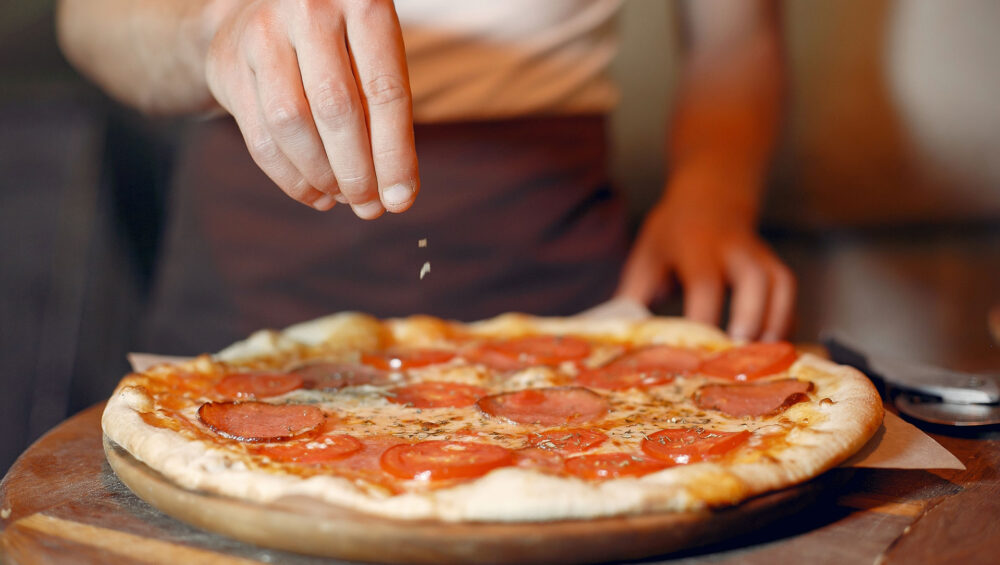
The presentation of your pizza can elevate the dining experience, so take the time to arrange your toppings artfully and garnish with fresh herbs or drizzles of olive oil. Serve your pizza hot and fresh from the oven, either whole or sliced into individual portions, and accompany it with a side salad or dipping sauce for added enjoyment.
Common Mistakes to Avoid
To avoid disappointment, steer clear of common pitfalls when making halal pizza. Overloading your pizza with toppings can lead to a soggy crust and uneven cooking, while cooking at the wrong temperature can result in burnt edges or undercooked dough. Allow your pizza to rest for a few minutes before slicing to allow the flavors to meld and the cheese to set.
Customization and Experimentation
One of the joys of making pizza at home is the ability to customize it to suit your tastes. Don’t be afraid to experiment with different ingredients, flavor combinations, and cooking techniques to create your perfect halal pizza. Share your creations with friends and family, and don’t forget to solicit feedback to improve your skills.
Halal Pizza Variations
While the classic Margherita pizza is always a crowd-pleaser, there are countless other halal pizza variations to explore. From BBQ chicken to vegetarian options loaded with fresh vegetables, the possibilities are endless. Get creative in the kitchen and let your imagination run wild!
Catering to Dietary Restrictions
In addition to catering to halal dietary restrictions, consider offering alternative options for those with specific dietary requirements. Gluten-free crusts, dairy-free cheese, and vegan toppings ensure that everyone can enjoy a slice of delicious halal pizza without compromise.
Health Benefits of Halal Pizza
Contrary to popular belief, pizza can be a nutritious and balanced meal when made with fresh, wholesome ingredients. A well-balanced pizza provides a good mix of carbohydrates, protein, and fats, along with essential vitamins and minerals from the vegetables. By controlling portion sizes and choosing healthier toppings, you can indulge in pizza guilt-free.
Tips for Storing and Reheating
If you have leftovers, store them properly in an airtight container in the refrigerator for up to three days. When reheating, avoid using the microwave, as it can make the crust soggy. Instead, reheat your pizza in a preheated oven or skillet until heated through and crispy.
Conclusion
In conclusion, mastering the art of halal pizza making is a rewarding endeavor that allows you to express your creativity while adhering to your dietary preferences. By following the tips and techniques outlined in this guide, you can create delicious and authentic halal pizzas that are sure to impress your friends and family. So roll up your sleeves, preheat your oven, and get ready to enjoy the ultimate halal pizza experience!
Unique FAQs
Is it necessary to use halal-certified ingredients for making halal pizza?
While it’s not strictly necessary, using halal-certified ingredients ensures that your pizza adheres to halal dietary guidelines and meets the preferences of halal consumers.
Can I make a halal pizza without meat toppings?
Absolutely! There are plenty of delicious vegetarian and vegan pizza options that are completely halal and equally satisfying.
How can I tell if a cheese is halal?
Look for cheese products that are labeled as halal-certified or inquire with the manufacturer about their sourcing and production processes.
What is the best way to reheat leftover halal pizza?
For the best results, reheat your pizza in a preheated oven or skillet to ensure that the crust remains crispy and the toppings are heated through.
Are there any traditional halal pizza toppings?
While there are no strict rules, some popular halal pizza toppings include halal pepperoni, chicken tikka, beef kebab, and a variety of fresh vegetables.